Napa Valley Farm Fund
Napa Valley Farm Fund is the Non-profit side of the Co-op. The fund is going to utilize resources from the farm to aid the residents of Napa County. Our goal is to make a difference in the lives of the people of the county. We will start programs that will have a trusted true lasting effect in the community. Government can’t do that.
As the Napa Valley Farm Fund (NVFF) broadens its nonprofit offerings, it will introduce job ride programs, substance abuse support, various job services including field work, herder initiatives that allow individuals to live with and tend to animals, trade service education, and vocational training. NVFF’s affiliate, NVF Co-op, will develop and sustain our own machinery and modular processing units. Plans also include transitional housing for families, wealth and financial management education, purchasing guidance, and financial literacy programs for young adults transitioning to independence. Additionally, services designed to educate young people on home-buying processes are in development. These initiatives, focused on agricultural employment, are designed to proactively prevent homelessness, anchored by cost-effective and work for food programs.
Our Introduction
Three Chickens for Napa
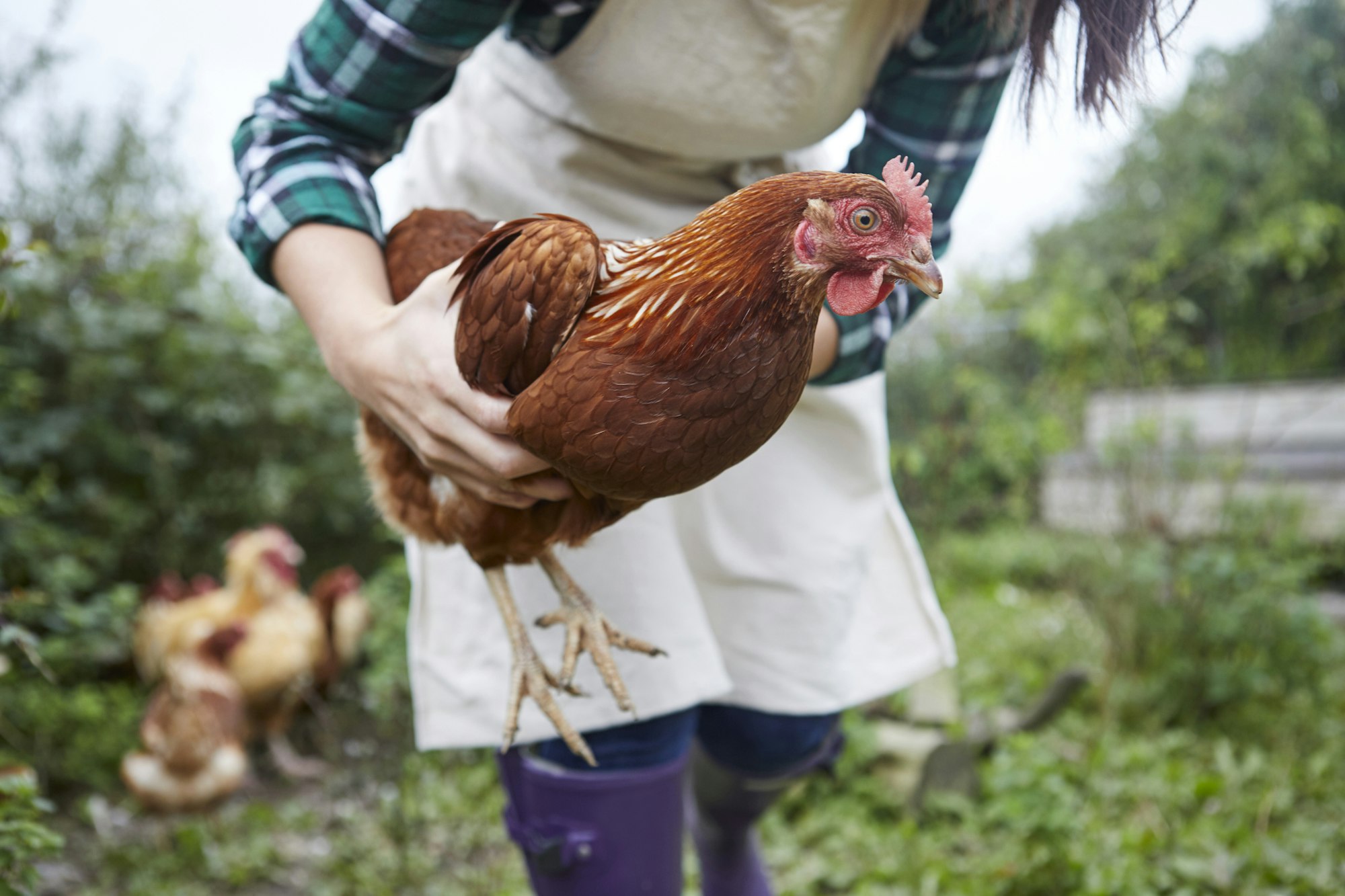
The program is inspired by the renowned Belgian initiative that provided three chickens to any household with a backyard that desired them. The objectives of this program include reducing household waste in California’s landfills, enhancing food security, mitigating the risk of bird flu spreading through America’s confined henhouses—a hotbed for evolving pathogens—providing eggs to those in need, and bolstering mental health in Napa. The program’s sustainability is anchored in the expansion of the NVFC egg market. The three-chicken program aims to achieve three main goals and targets the distribution of 10,000 birds to 3,300 households over the next five years, with a strict policy of no roosters.
- Provide Hen Chickens and Integrated Hen House / Composting Systems to households with backyards.
-
- Reducing Food Waste – By consuming food scraps, these chickens help diminish landfill waste. Each bird consumes approximately half a pound of waste daily; thus, 10,000 birds can reduce waste by 5,000 pounds per day, equating to 450,000 pounds yearly. This also results in savings on shipping fuel and prevents the unnecessary creation of methane in landfills.
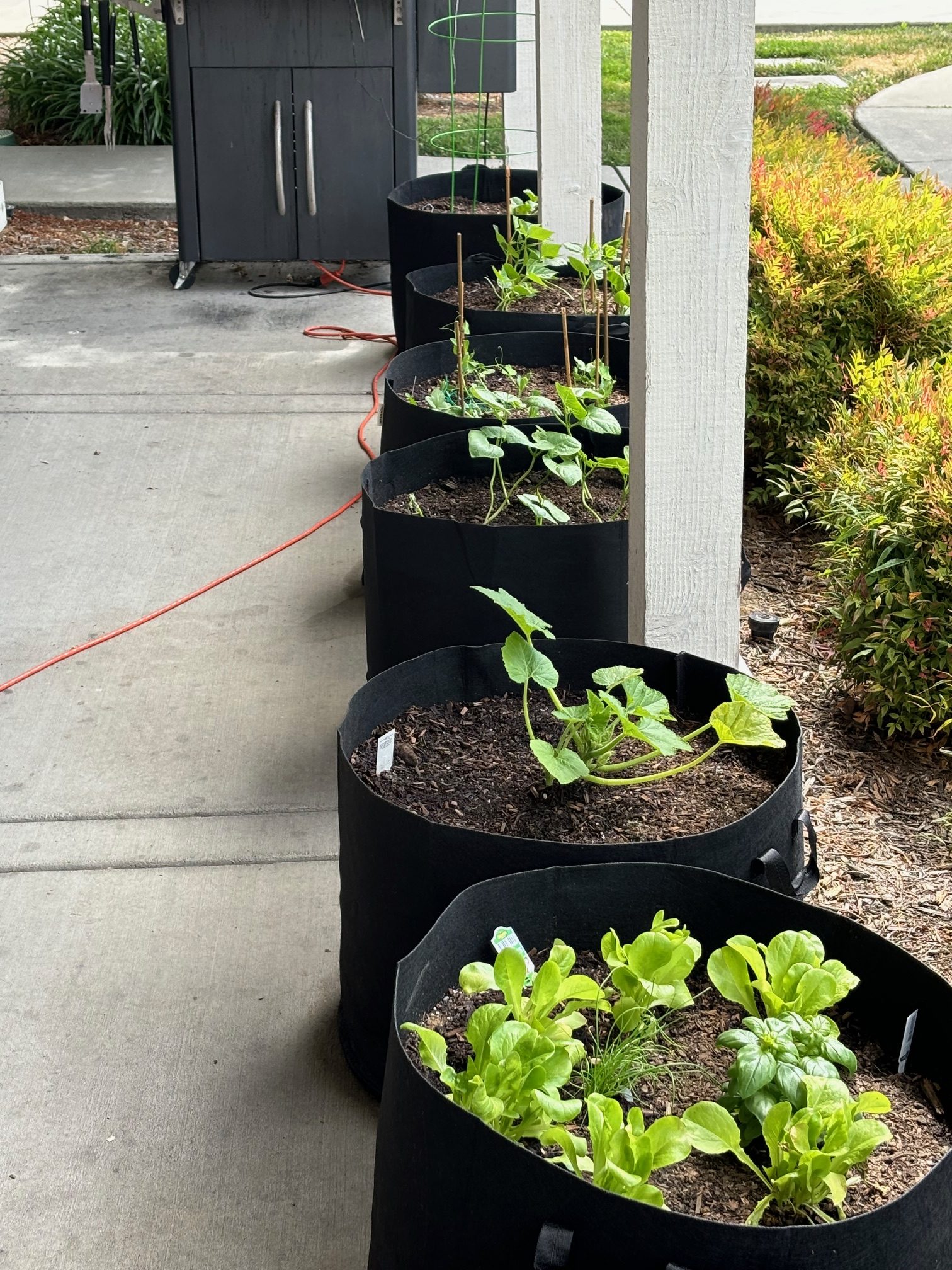
- Small Farm Plots – Through combined training in composting and the use of an integrated hen house composting system, families can learn to cultivate small produce plots in their backyards. We aim to develop a straightforward Chicken Hen Composting/Housing system that, with the addition of straw, food scraps, and yard waste, will create the ultimate sustainable backyard. The farm cooperative will assist in designing, educating, and planting these sustainable backyards. A garden of 100 square feet can yield approximately 500-600 pounds of produce annually, according to Mother Earth News on 100 Sq Ft Gardening https://www.motherearthnews.com/organic-gardening/edible-landscaping-zmaz09djzraw/
- The chickens supply eggs for both the family and the neighboring communities. Egg sales help to balance the costs of feed and straw. Annually, these 10,000 birds are expected to yield approximately 2.5 million eggs for Napa.
- Three chickens are estimated to produce about 18 eggs weekly.
- Free-range eggs are sold for $6 per dozen.
- The feed cost, at half a pound per chicken daily, could be $.50 per pound. Utilizing food scraps can significantly reduce this expense. The total potential cost for the owners is 1.5 pounds per day, 13 pounds per week, amounting to $6 weekly.
- The monthly cost for a straw bale used in composting is $17 a month.
- On the NVFF agricultural side, as we breed, hatch, and distribute chickens, we will also sell free-range eggs and donate eggs to a program established by our charity, which will be distributed through local churches.
-
- 500 laying hens will produce approximately 450 eggs daily, which equates to 37 dozen per day.
- 350 hens will be designated for the hatchery and egg production – these eggs will be incubated for the program, yielding about 300 chickens daily or 109,000 annually. We will either sell or donate these birds within the county. Additionally, these birds will be raised for dual purposes, serving as meat birds as well.
Benefits: The initiative offers substantial benefits: it significantly cuts landfill waste by 450,000 pounds each year in Napa County, supplies over 2.5 million eggs and 1.9 million pounds of produce to small households, and provides eggs to underprivileged families. It reduces household waste sent to California’s landfills, which includes cutting down on fuel transportation and vehicle exhaust. Additionally, it enhances food security and mitigates the risk of bird flu spreading through America’s confined-space henhouses—a potential breeding ground for evolving pathogens. The mental health benefits alone provide ample reason to pursue this project.
Testimonials
What They Say
We are so excited to join The Napa Valley Farm Co-op! With the high prices at the grocery stores this just makes sense for our family as well as supporting our local farmers.
Lorem ipsum dolor sit amet, consectetur adipiscing elit, sed do eiusmod tempor incididunt ut labore et dolore magna aliqua. Duis aute irure dolor in reprehenderit in voluptate velit esse cillum dolore eu fugiat nulla pariatur.
Contact Us
Get in touch
We have Meet and Greet Meetings Every Tuesday at 402 Riverside Drive Napa
Email address
cockrell.rick@gmail.com
Call now
+ 707 555 1234